Every so often, I think it is worth stepping outside of the day-to-day property conversation and looking at what is happening in the wider Barbados economy. Real estate does not operate in isolation. Tourism, access to financing, construction, investment and overall confidence in Barbados all eventually find their way into our market, which is why I always pay a close attention when the Central Bank releases its latest review.
Reading through the Central Bank of Barbados’ Review of Barbados’ Economy for January to June 2026, published on 30 July, along with its updated economic outlook and the newly released 2025 Financial Stability Report gave a much welcomed insight into what is happening in the Barbados economy. Rather than repeat what are fairly detailed reports, I wanted to share some of the numbers that stood out to me and what I think they tell us about Barbados and, more specifically, our property market.
Barbados recorded 1.4% economic growth during the first half of 2026, and the Central Bank is forecasting growth of approximately 2% for the full year. That is below the pace initially anticipated, with tourism, construction and transportation all performing below earlier projections, but there are some encouraging indicators for the second half of the year. The Bank expects activity to strengthen as tourism bookings improve and several major investment projects progress.
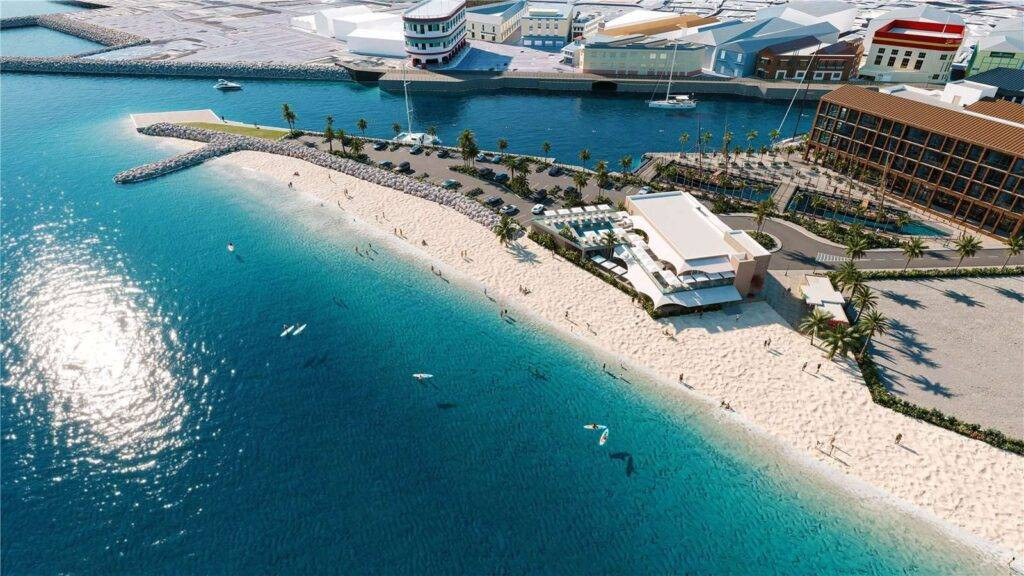
From a real estate perspective, I think the more interesting story is that investment continues. The Central Bank specifically references ongoing work at Pierhead Development, Coverley Residences, Atlantic Breeze and Vistara Residences, alongside anticipated projects including One Carlisle and the Afreximbank Trade Centre. That continued development activity matters because it speaks to capital still being committed to Barbados and confidence in the island’s longer-term prospects. At the same time, it reinforces something we see regularly in real estate: there is a meaningful difference between a project being announced and one that is financed, underway and progressing towards delivery, particularly when assessing an off-plan investment.
The financing side of the property market also caught my attention. The latest detailed mortgage figures come from the 2025 Financial Stability Report, released this year, so these figures relate to activity during 2025 rather than the first half of 2026. New mortgage lending to households increased by 14.7% during 2025, while commercial bank credit expanded by 6.3%, its strongest growth in more than a decade, with real estate among the sectors contributing to that increase. I think that is useful context because so much of the conversation around Barbados property, particularly on the West Coast, naturally centers on overseas and cash purchasers. The lending figures are a reminder that the locally financed buyer remains an important part of our market as well.
Tourism is another part of the latest outlook that I found particularly relevant heading towards the winter season. The first half of 2026 was softer than forecast, with higher airfares and reduced seat capacity weighing particularly on the US market, but the forward indicators are much more encouraging. The Central Bank reports that bookings for July through December are approximately 3.7% ahead of the same period in 2025, with the UK 10% ahead. Planned airline capacity for the period is also 3% higher overall, including increases from Canada, the UK and Ireland, Europe and the Caribbean.
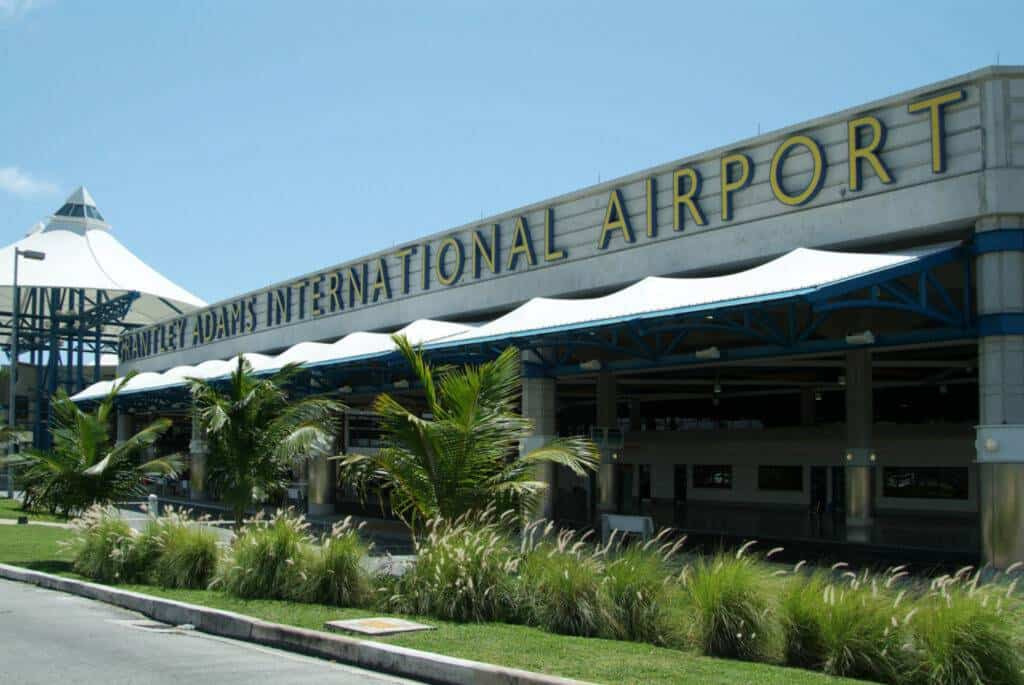
That is important for real estate because tourism and property in Barbados have always had a close relationship, particularly within our second home and luxury markets. Many international owners first develop their relationship with Barbados as visitors, often returning for years before eventually deciding to purchase. The continued strength of the UK market is therefore particularly relevant to the West Coast, while increased airlift and forward bookings are encouraging indicators as we approach the winter season.
One of the other numbers I think is particularly worth knowing is the strength of Barbados’ international reserves. At the end of June 2026, reserves stood at approximately BDS$3.1 billion, representing around 25.9 weeks of import cover. For an international property buyer this may not be the first statistic that comes to mind, but it is an important part of the investment picture. Strong reserves provide Barbados with a significant buffer against external shocks and contribute to the wider economic stability of the country. When someone is considering placing substantial capital into property here, they are ultimately investing not only in the individual asset but also in the country and economy in which that asset sits.
Inflation is another area worth keeping an eye on. The Central Bank currently expects the 12 month moving average inflation rate to remain within 2% to 3% in the near term, although international freight, energy and capital costs remain elevated. (Central Bank of Barbados) This has particular relevance to real estate because the cost of building or substantially renovating a high quality home in Barbados can tell a very different story from headline inflation. In certain parts of the market, understanding value therefore means looking not only at comparable sales, but also at the land, construction and replacement cost of what you are actually buying.
Having read through the latest reports, my overall takeaway is encouraging. Barbados continues to grow, significant investment remains underway, forward tourism bookings are positive, lending remains an active part of the property market and the country continues to maintain strong international reserves. The Central Bank itself describes Barbados as having “strong buffers” that give the country capacity to withstand external shocks, while acknowledging that faster investment execution and continued growth will be important to the outlook.
For real estate, however, I don’t believe there is simply one “Barbados property market” that moves uniformly with the economy. Beachfront property behaves differently from inland residential property, the West Coast second home market has different demand drivers from locally financed homes, and development land is another conversation altogether. Even within the luxury market, location, scarcity, condition, replacement cost and realistic pricing can create very different outcomes.
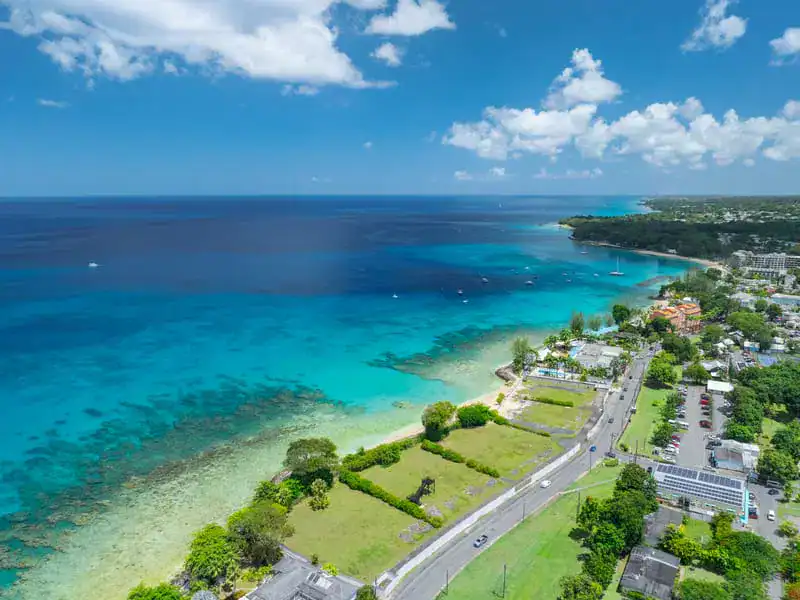
The Central Bank numbers give us a useful view of the country behind the property, and there is a lot in the latest update that I find positive. The more important question for buyers, sellers and investors is understanding where those wider economic fundamentals are translating into genuine property value. That is ultimately where good market knowledge becomes important.
Sources: Central Bank of Barbados, Review of Barbados’ Economy: January–June 2026, published 30 July 2026; Outlook for Barbados’ Economy, Updated July 2026, published 31 July 2026; Central Bank of Barbados and Financial Services Commission, 2025 Financial Stability Report, released August 2026.